
































We go where your family goes
Sessions happen at grocery stores, restaurants, parks, museums, community events: wherever your child needs to succeed, not in a contrived practice environment, but in real life.

Weekend ABA therapy for children with autism in NC, GA, MD
Autism never takes a day off, and neither do we. We provide superior ABA therapy throughout the weekends too.
Weekend ABA therapy is evidence-based behavioral treatment delivered during weekends and community outings, and instead of sessions in a clinic or home, your child practices skills in actual community settings: restaurants, stores, parks, family events. A Board Certified Behavior Analyst creates a treatment plan focused on independence and social skills in real-world contexts, while a Registered Behavior Technician supports your child during actual activities, coaching in the moment. Progress happens where your child actually lives.
Insurance coverage for ABA therapy
Most families in North Carolina, Georgia, and Maryland can access weekend ABA through insurance, and Medicaid often covers it with no out-of-pocket cost. We verify your benefits upfront and handle all billing.
North Carolina
Maryland
How weekend ABA actually works
Sessions happen at grocery stores, restaurants, parks, museums, community events: wherever your child needs to succeed, not in a contrived practice environment, but in real life.
Instead of pretend shopping, we do actual shopping, and instead of practicing ordering, we order at a restaurant, and instead of simulating a park visit, we navigate the actual park with real peers and real situations.
You're part of every outing, you see what strategies work, you learn how to coach your child through real-world challenges, and you practice the same approaches so consistency continues when we're not there.
Shopping is busy, restaurants are loud, parks have unexpected peers, and this is where real life happens, where real progress is built, and where we coach through the actual messiness, not sanitized versions.
The goal isn't compliance in therapy but independence and confidence in real settings, so your child learns they can handle the world, not just the therapy room.
Did your child order their own meal, navigate the store without a meltdown, play with peers at the park? That's what we track: real-world wins.
Why weekends matter more than you think
School happens weekdays and therapy might happen after school, but weekends are when your child lives their actual life: with family, in community, in the real world. Skills that work in a clinic don't mean anything if your child can't order food, handle a crowded store, or play at a park. Weekend ABA brings expert support into your child's actual life, you see what's possible, your child builds confidence, and the whole family gets their weekends back: not spent managing crises, but actually enjoying activities together.
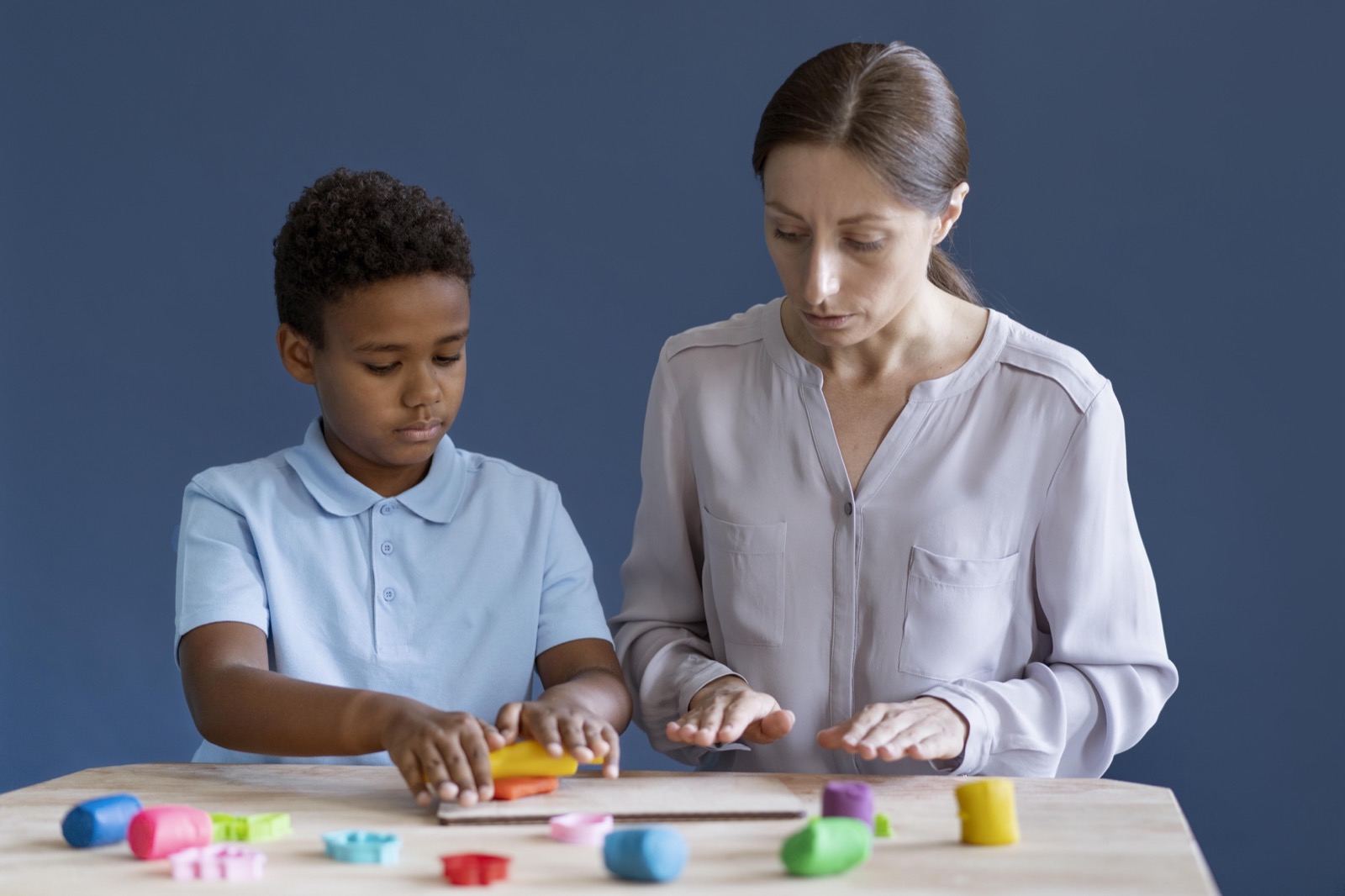
A Saturday with Olivia: Real progress in action
Olivia can't handle grocery shopping because she melts down in the store: the noise, the crowds, too many choices. Her parents avoid taking her and grocery shopping is now a weekday solo mission, so Olivia misses family time and misses learning how to navigate a store.
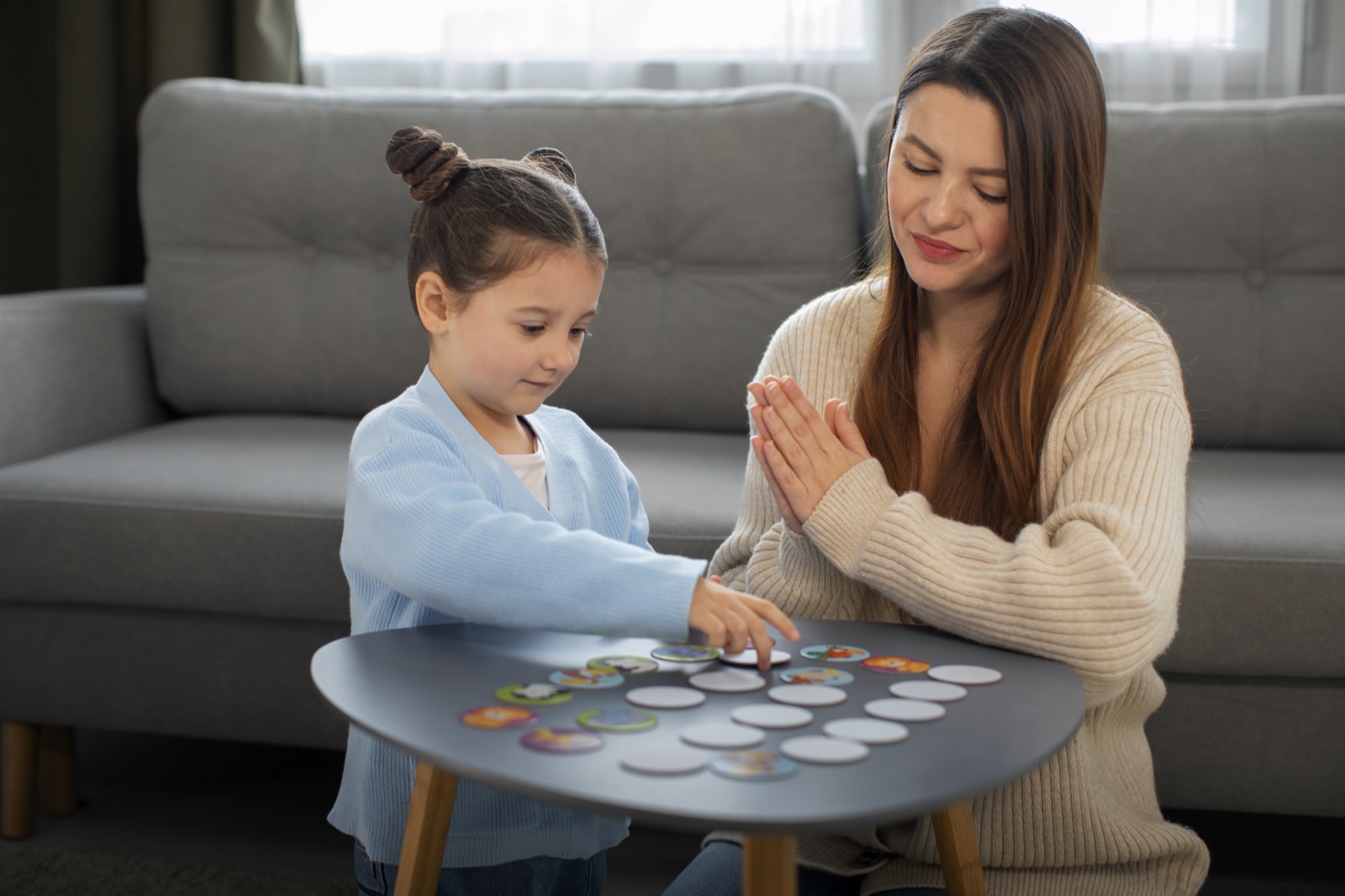
Our BCBA goes grocery shopping with Olivia and her parents, observing what exactly triggers her: the entrance, the crowds, the fluorescent lights, the sensory overwhelm. They watch from the moment they walk in and see that Olivia gets overwhelmed immediately, her parents try reasoning with her, she shuts down, and they rush through, stressed.
Our RBT goes shopping with Olivia and her parents and before entering says: "We're going to get three things. Let's make a list. You pick one item to find." Olivia picks crackers, and the therapist breaks the task into steps: "First, we walk to the snack aisle. You look for the yellow box. We take it to checkout." Olivia is anxious, but she has a job, a mission, not just "grocery shopping" but a specific, manageable task. Halfway through, she gets overwhelmed and the therapist coaches: "You're doing great. Let's take a break here by the fruit. Deep breath. We've almost got all three items." Her parents watch and see how to coach her through overwhelm, not just avoid it.
Olivia goes shopping more frequently now: with the therapist and with her parents. She's learning that stores aren't actually dangerous, the noise is loud but she can handle it, and crowds are overwhelming but she has strategies. She finds items, pushes the cart, and picks something at checkout, and small wins compound.
Olivia's mom takes her shopping alone and Olivia is anxious but capable, she navigates it, her mom is amazed, and Olivia feels proud. Her family has their Saturday back.
Olivia is going to stores with her family, not always calm but functional, she's learning her neighborhood, she's becoming independent, and her family is doing normal weekend activities together.
The Point:
This is Olivia's actual life with expert guidance, skills are practiced where they're needed, her family doesn't have to be separated, and progress compounds across weekends.
The shifts parents report
Grocery shopping
Restaurants
Community outings
Family activities
Independence
Confidence
Family stress
This is what happens when therapy happens where life actually happens.
Start Your Child's TransformationIs weekend ABA right for your family?
Weekend ABA therapy is evidence-based treatment for children who struggle in community settings, and if your child shows several of these, an assessment is worth exploring:
Can't handle grocery shopping, restaurants, or stores, melts down in busy or crowded environments, avoids community activities, and gets overwhelmed by sensory input (noise, crowds, lights).
Can't order food or ask for help, doesn't navigate familiar places, avoids peer interaction in community settings, and can't participate in family outings.
Gets anxious in new or unfamiliar settings, can't handle changes to routine, gets overwhelmed by noise, crowds, or sensory experiences, and shuts down or has meltdowns.
Parents avoid taking your child places because of behavior, siblings miss family activities, parents feel limited in what they can do as a family, and your child is isolated from community experiences.
Can't do age-appropriate tasks (ordering, paying, asking for help), doesn't learn from observing peers in community settings, and misses learning opportunities that happen naturally in real life.
Important: Weekend ABA works best as a complement to weekday therapy or parent training, and it targets skills that don't develop in isolated settings.
The actual cost breakdown
Covers medically necessary ABA therapy in community settings with usually no annual dollar cap, typical authorization of 4–8 hours per week on weekends, and your out-of-pocket is usually $0.
Covers ABA with an autism diagnosis, often includes annual limits, typical coverage of $30,000–$50,000 per year, and your out-of-pocket copay per session is typically $20–$50.
Weekend ABA involves travel to community locations and we may charge mileage or travel time, and we're transparent about this upfront.
We verify benefits, explain how travel is handled, give you clear cost expectations, and you understand what you're paying for.
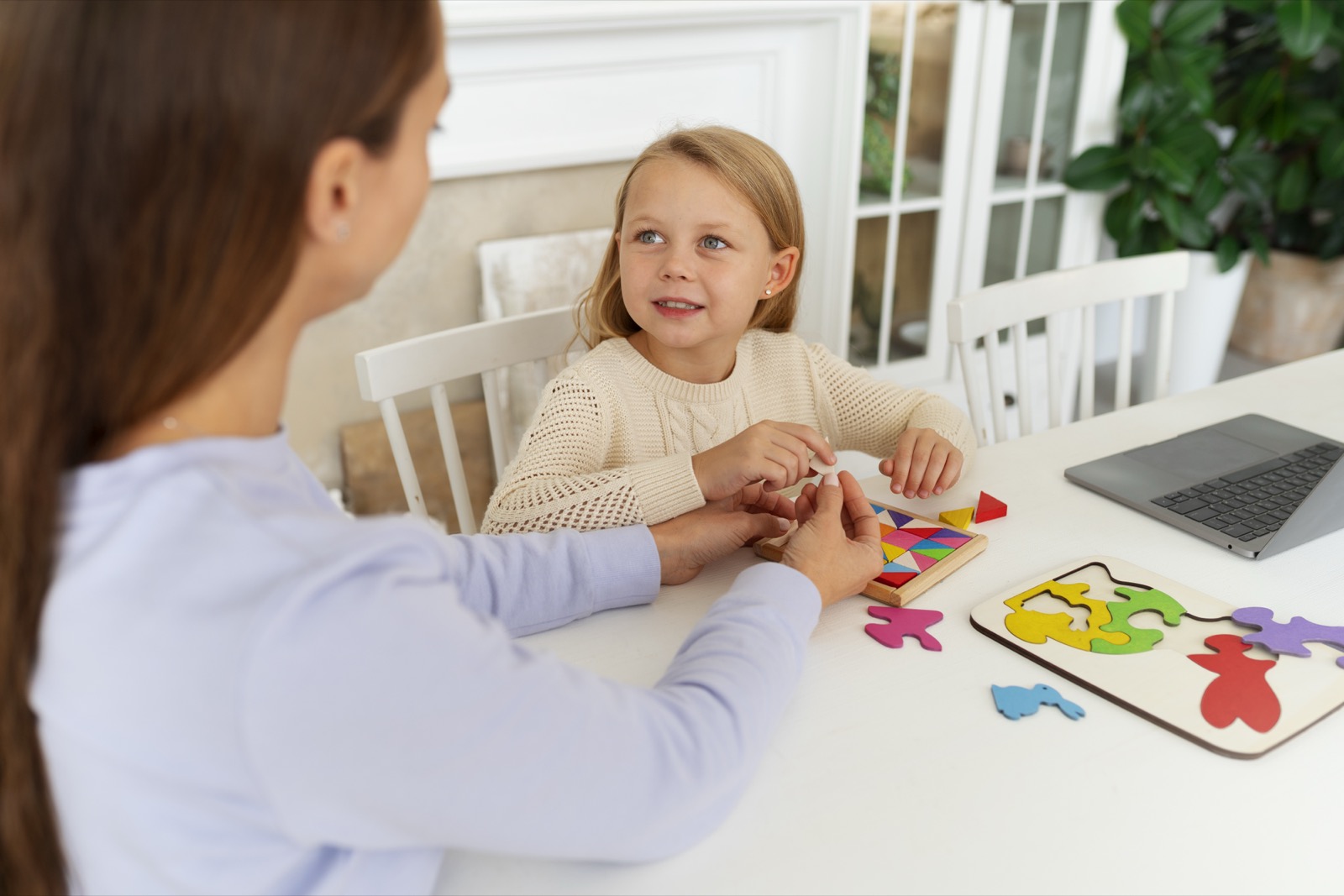
Real stories from parents whose children gained confidence beyond the therapy room.
Where real-world progress happens
Your child struggles with specific real-world situations, and we address them directly: independence and self-care in public, ordering and paying for items, navigating busy environments, asking for help appropriately, handling transitions and changes, peer interaction in community settings, managing sensory overwhelm, and following public behavior expectations. All of it happens in actual community settings, with real peers, in the authentic situations your child needs to handle.
Your family is part of every outing
You're not sitting in a waiting room but part of the outing, you see what works, you practice the same strategies, you learn to coach your child through real-world challenges, and by the end, you're confident handling these situations independently. This is partnership in your actual life.

What we won't say (and why it matters)
"Your child should avoid busy places."
Avoiding doesn't build skills and the world is busy, so we teach your child to navigate it, not hide from it.
"This will be easy and calm."
Real life is messy, restaurants are loud, stores are crowded, and we coach through actual challenges, not practice versions.
"Your child should be independent by now."
Independence is learned, and we build it step by step, in real situations, with real support.
"Just don't go to places your child struggles."
Your family has a right to community participation, and we help your child access that, not opt out of it.
"Therapy should happen in a clinic."
Some skills only develop in real-world contexts, and sitting in a therapy room doesn't teach your child how to navigate a store.
"You shouldn't be here during sessions."
You're essential and your presence, your coaching, your consistency: that's where lasting progress comes from.
From first call to weekend independence
Contact us about weekend ABA, and we talk about which real-world activities are hardest for your family.
A Board Certified Behavior Analyst spends time with your child in community settings, observes what's hard, watches what triggers anxiety, and understands what your child is already capable of.
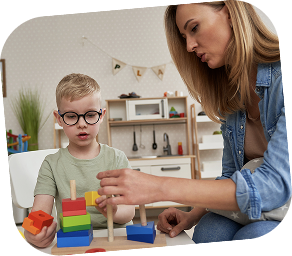
Based on assessment, we identify which skills to target first and which community settings to focus on, and we set realistic goals for real-world independence.
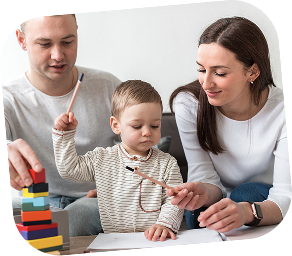
We verify coverage, create a schedule that works with your actual family weekends, and are transparent about logistics and costs.
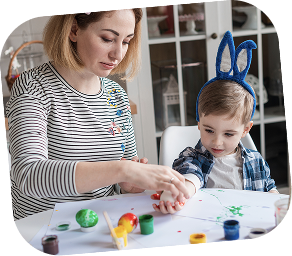
Our RBT joins your family for weekend outings: grocery shopping, restaurants, parks, community events, and we coach your child while you learn strategies and progress happens in real time.
Serving families across three states
Apex ABA provides weekend ABA throughout North Carolina, Georgia, and Maryland in the actual communities where your family lives and participates.
and surrounding areas
We help your family access your community confidently.
View All LocationsWhy families choose weekend ABA with us
We can go places as a family now, our child can handle it, and we're not separated or stressed every weekend.
We're not avoiding things and our child is learning to navigate the real world, so they're more confident and capable.
We learned strategies we can use forever, and this isn't just about getting through therapy but about building our family's actual life.
Grocery shopping, restaurants, parks: we do what other families do, and it matters more than we thought.
What the research says
Effective across settings and skills generalize better when learned in natural environments
Research shows skills taught in authentic contexts transfer better and are maintained longer than clinic-based training
Studies indicate children with autism benefit from access to community activities when appropriate support is provided
Research shows family quality of life improves significantly when children can participate in typical community activities
Common questions answered
Weekend ABA works well alongside weekday therapy or parent training because it targets skills that develop in real-world contexts, and many families combine approaches.
Typically 4–8 hours on weekends, depending on your child's needs and goals, and sessions might be 2–4 hours per outing, happening 1–2 times per weekend.
We coach you through it strategically because meltdowns in public are part of real life, and we teach your child and you how to handle them calmly and move forward.
Wherever your family actually goes: grocery stores, restaurants, parks, museums, community events, and we tailor outings to your real life.
Yes, you tell us which activities are hardest or most important for your family, we work on those, and your actual life is the focus.
We start small and build up: a trip to the front entrance of a store, then inside for two minutes, and with gradual exposure and support, refusal usually decreases as confidence builds.
That's the goal eventually, and some kids reach that point while others do better with a family member present, so we work toward maximum independence for each child.
Real-world wins are the measure: your child goes grocery shopping with your family, they order food at a restaurant, they play at a park, and you're not avoiding activities. That's progress.
Ready to get your family life back?
Weekend ABA brings expert support into your actual life: the grocery store, the restaurant, the park, and your child builds independence and confidence while your family does normal weekend activities together. Let's make your weekends yours again.
Copyright © 2026 Apex ABA Therapy. All Rights Reserved.