Tactile Defensiveness: Symptoms, Causes, and Treatment Options
Clothing tags, food textures, unexpected touch — tactile defensiveness makes daily life harder. Learn the symptoms, why it happens, and what OT and ABA can do.
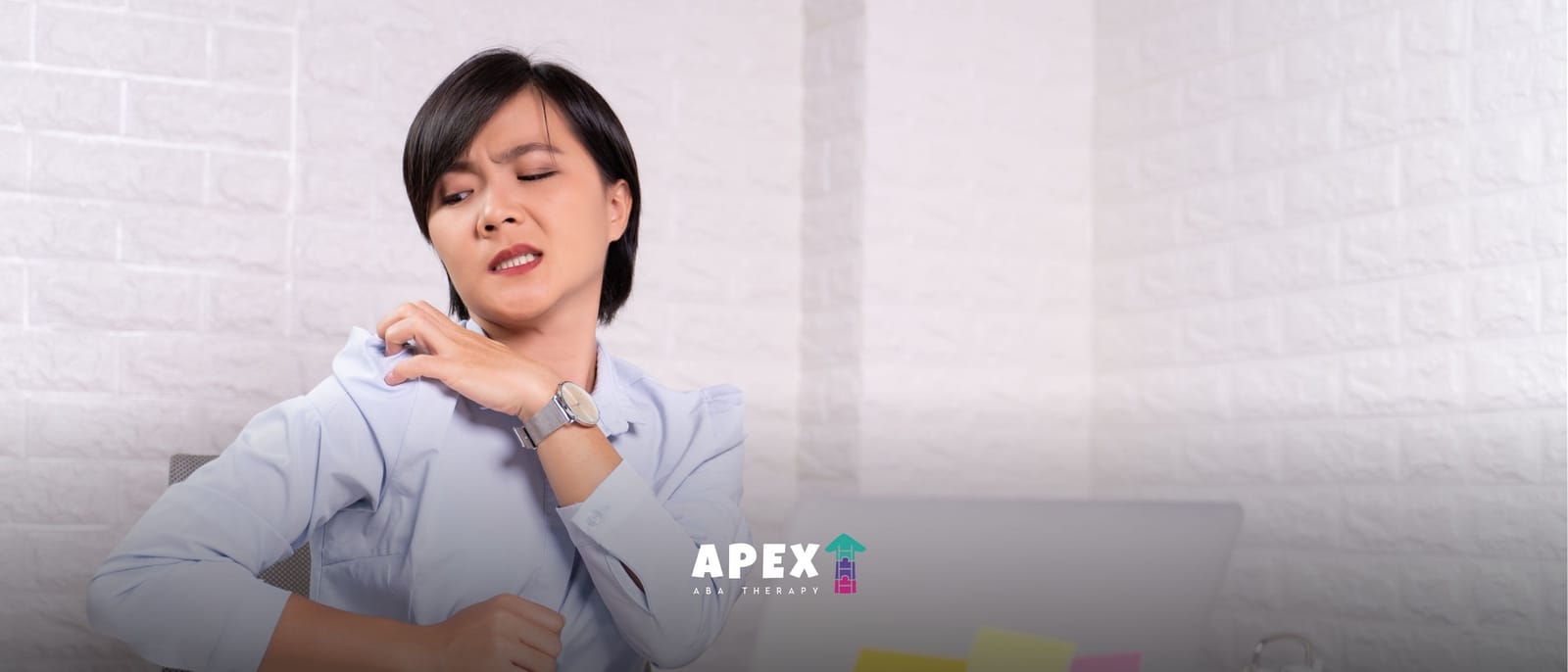
Tactile defensiveness is when ordinary touch — clothing tags, a light brush on the arm, certain textures at mealtimes — produces a reaction that feels disproportionate to the trigger. The child is not being dramatic. Their nervous system is genuinely registering that input as threatening or overwhelming, and the behaviour that follows is a real response to real discomfort.
This post explains what tactile defensiveness is, what it looks like in children and adults, why it happens, and what kinds of support actually help.
What is tactile defensiveness?
Tactile defensiveness is a sensory processing pattern in which the tactile system — the network of receptors in the skin that process touch, pressure, temperature, and pain — responds to non-threatening input with a level of alarm that is out of proportion to the stimulus.
It falls under the broader category of sensory processing differences, and it is commonly seen in autistic children, though it also appears in children with ADHD, sensory processing disorder, and anxiety — and in some individuals with no other diagnosis.
The underlying mechanism involves the nervous system's difficulty modulating sensory input: rather than filtering out background tactile information and flagging only what is genuinely important, the brain treats a wider range of input as requiring a response. The result is a child who is in near-constant low-level discomfort from sensory input that most people do not notice.
Symptoms in children
Tactile defensiveness presents differently depending on the child's age, sensory profile, and coping strategies. Common signs include:
- Strong negative reaction to clothing — particularly tags, seams, waistbands, socks, or specific fabrics
- Avoidance of or distress during grooming: haircuts, nail-cutting, face-washing, tooth-brushing
- Resistance to being touched, hugged, or having their head patted — especially unexpectedly
- Distress with certain food textures, sometimes to the point of significantly limited diet
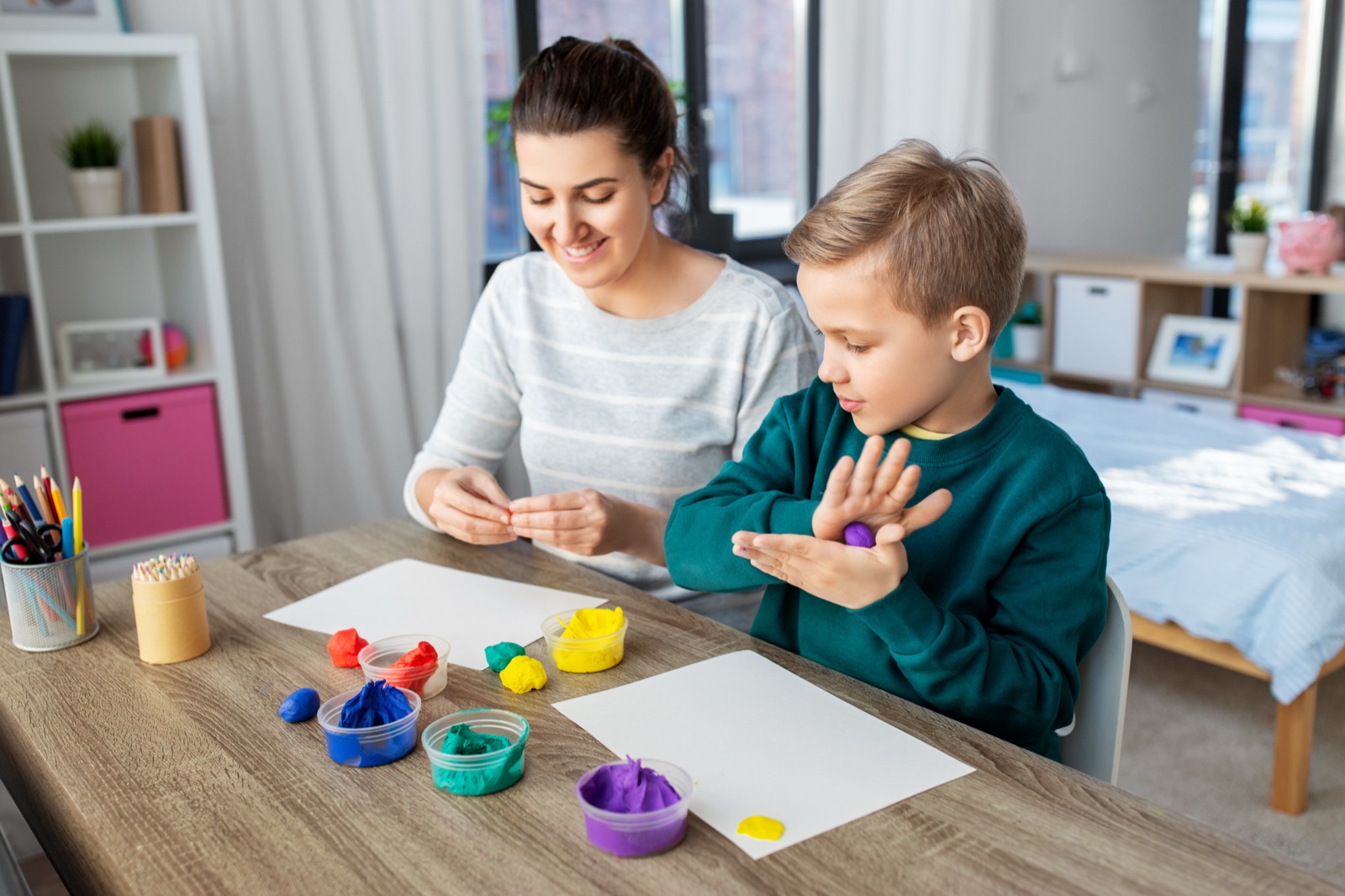
- Discomfort with getting hands dirty — play dough, sand, paint, mud
- Preference for tight clothing or deep pressure over light touch (deep pressure is typically easier to process)
- Overreaction to minor physical contact — a peer brushing against them in a hallway can register as a significant intrusion
- Meltdowns or distress during transitions that require clothing changes
- Difficulty tolerating sunscreen, face paint, or stickers on skin
Not all of these will be present in every child. Some children show strong reactions in specific domains — food texture but not clothing, for example — while others have more pervasive tactile sensitivity across contexts.
Symptoms in adults
Tactile defensiveness does not resolve automatically at adulthood, though many adults develop coping strategies that mask the underlying difficulty. Adults with tactile defensiveness commonly report:
- Avoiding certain clothing fabrics or textures entirely, often with wardrobe organised around what is tolerable rather than preference
- Difficulty with physical affection — finding hugs or unexpected touch uncomfortable even from people they are close to
- Ongoing food texture restrictions that affect social eating situations
- Heightened discomfort with medical or dental procedures involving skin contact
- Sensitivity to jewellery, watches, or accessories touching the skin
- Workplace challenges around handshakes, shared tools, or uniform requirements
Adults often describe the experience as something they have learned to manage rather than something that has gone away. Self-advocacy — knowing what environments and interactions are difficult and communicating that — is a significant part of how many adults handle it.
Get started today
Ready to talk about ABA therapy?
Apex ABA Therapy helps families in North Carolina, Maryland, and Georgia access in-home, school-based, and daycare ABA services.

.jpeg)