Role-Playing to Boost Social Skills for Kids with Autism: 15+ Activities by Age and Skill
Discover role-playing activities for autism social skills training to empower your child’s social connections!
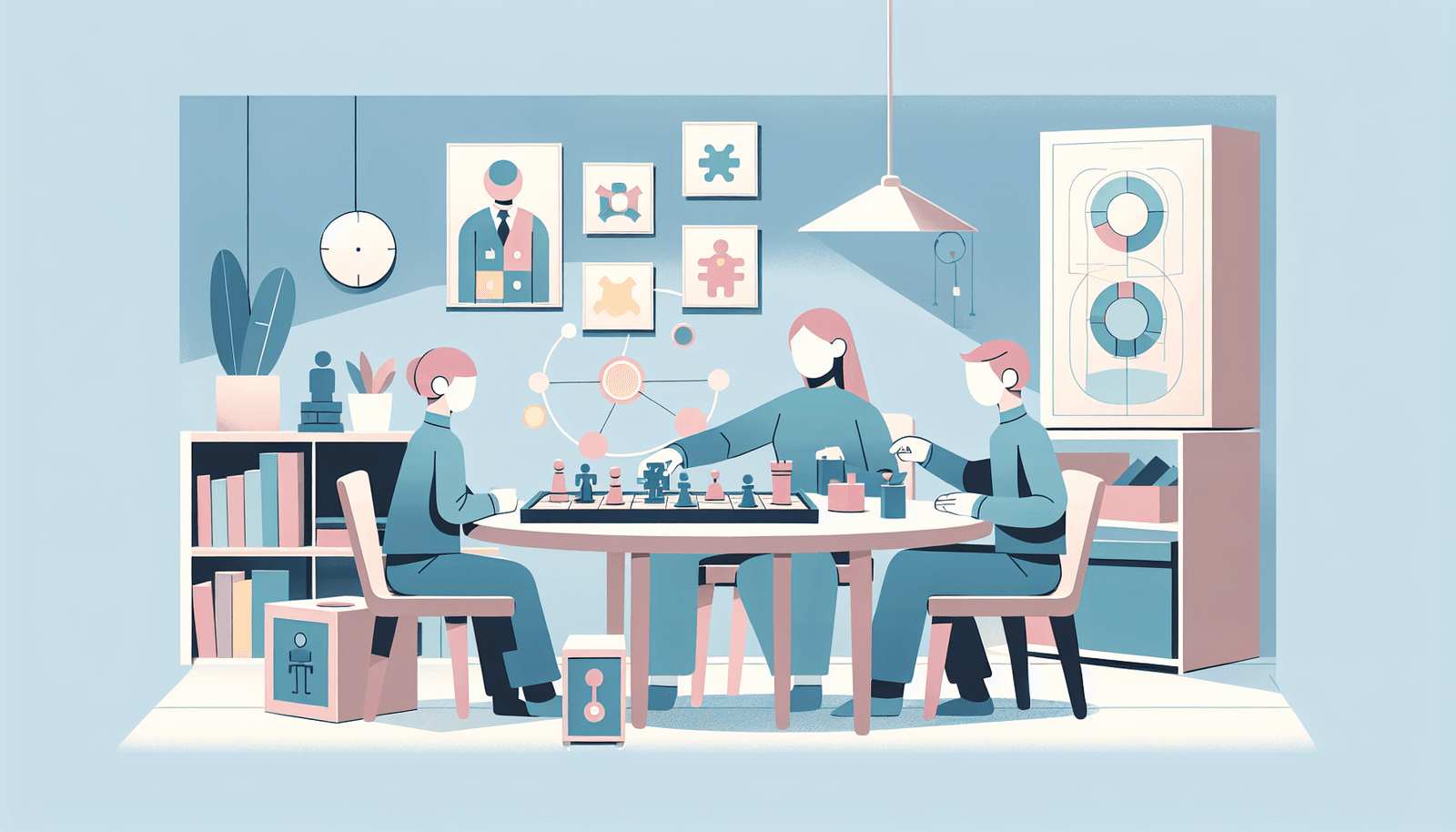
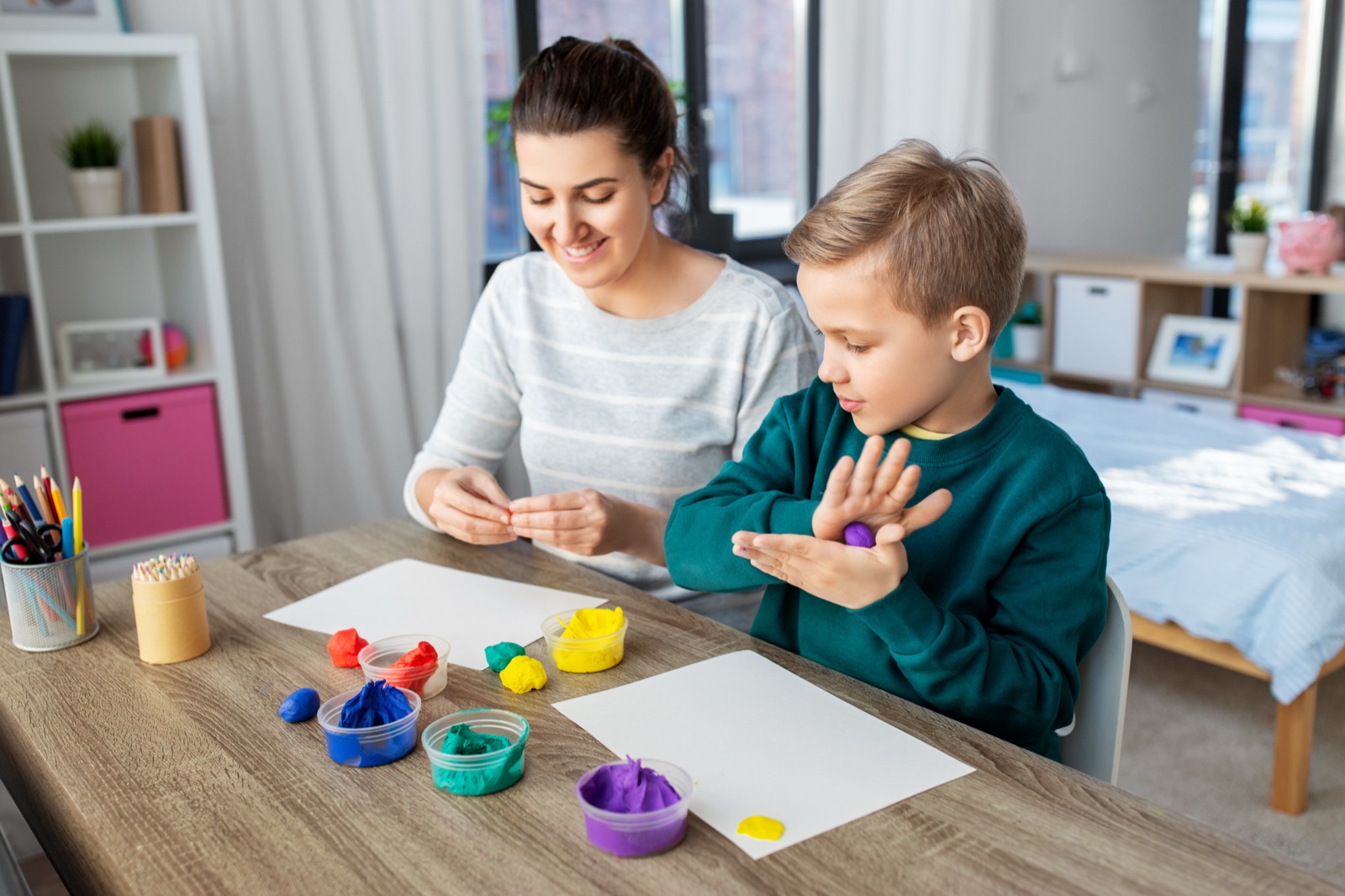
A living room becomes a grocery store. A stuffed animal becomes a new friend at the park. In that small act of pretending, a child with autism gets to rehearse the exact moments that feel hardest in real life, with zero risk of getting it wrong.
That is the quiet power of role-play. Role-Playing to Boost Social Skills for Kids with Autism turns abstract social rules into something a child can practice, repeat, and actually feel comfortable with. Greetings, sharing, reading a face, ordering lunch: each one becomes a scene to act out instead of a hurdle to fear.
This guide gives you more than 15 specific role-play activities, organized by age and by skill, plus the research behind why they work. Every activity is ready to try at home today.
Why Role-Play Works for Social Skills
Social skills training (SST) is a structured way to teach the customs and cues that guide social interaction. For many children with autism, these do not come intuitively, and role-play makes them concrete.
The research is encouraging. A 2025 systematic review and meta-analysis found that SST interventions improve social skills in children with autism. A separate meta-analysis reported medium-to-high effect sizes for face-to-face social skills training. And within that toolkit, video modeling meets the criteria for an evidence-based practice, which is why recording a role-play and watching it back is so effective.
Role-play also lowers the stakes. It gives children a safe, low-pressure setting where mistakes become teachable moments, not failures. That matters, since research shows autistic individuals are more likely to experience loneliness than their peers.
The Four Techniques That Make It Work
Before the activities, four techniques do the heavy lifting across every age group. Role-Playing to Boost Social Skills for Kids with Autism leans on all four.
- Modeling. An adult or peer demonstrates the behavior first so the child sees what "right" looks like.
- Scripted interactions. Children practice specific dialogues to learn appropriate responses.
- Guided coaching. An adult gives immediate feedback during the scene.
- Video modeling. Recording the practice lets the child watch and learn from their own interactions.
Break each skill into small steps, repeat scenarios often, and celebrate progress with specific praise. Those habits turn a single scene into a lasting skill.
Get started today
Ready to talk about ABA therapy?
Apex ABA Therapy helps families in North Carolina, Maryland, and Georgia access in-home, school-based, and daycare ABA services.